The Invisible Threat: Why Anomalies in User Behavior Are a Major Risk to Your Company
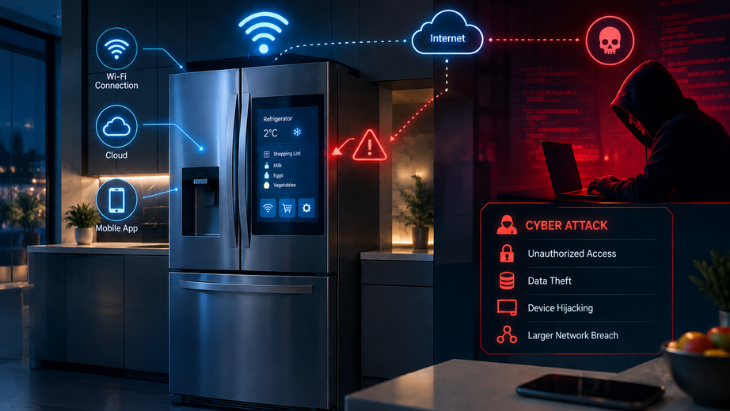
In today's digital business environment, cybersecurity threats are becoming increasingly complex and insidious. The greatest risks no longer stem merely from external attacks, but from "insider" threats—anomalies that masquerade as normal user activities. So, how do you know if an authorized user's account has been compromised or if a malicious employee is stepping outside their standard permissions? The answer lies in User and Entity Behavior Analytics (UEBA) technology.

How Kron Network PAM Scaled Network Management for 200,000 Devices and 5,000 TPS
In the high-stakes world of telecommunications, infrastructure isn’t just critical — it’s colossal. One of the largest telecom providers in Eastern Europe recently faced a daunting challenge. With a sprawling network of over 200,000 devices, from core routers to access switches and firewalls, they needed to authenticate and authorize access to these devices in a secure, fast, and reliable manner.

Secure Your RPA Secrets: How UiPath and Kron PAM Integration Solves the Credential Challenge
In boardrooms and tech departments across the globe, robotic process automation (RPA) is celebrated as a cornerstone of digital transformation. From automating invoice approvals to orchestrating complex enterprise workflows, tools like UiPath are enabling companies to scale faster, reduce costs, and improve accuracy. In this post, we’ll walk through why integrating UiPath with Kron PAM is a game-changer, how it works, and how your enterprise can benefit from it—technically and strategically.

Next-Level Session Security: Exploring Kron PAM’s Advanced Session Policies
In today's high-stakes digital landscape, privileged access is more than simply a convenience; it's an essential security safeguard. Organizations are grappling with increasingly sophisticated threats, and the traditional “allow or deny” model no longer meets the complexity of modern environments. Enter Kron PAM’s Session Manager, a powerful orchestration engine equipped with advanced access policies that bring precision, intelligence, and control to every privileged session. Let’s dive into how Kron PAM’s advanced session policies transform how organizations manage and secure privileged activity.

From Complexity to Clarity: A Real-World PAM Transformation in Just 6 Weeks
As cyber threats continue to evolve, organizations across industries are reassessing their Privileged Access Management (PAM) strategies to ensure both security and operational efficiency. For one global manufacturer in the automotive sector, modernizing PAM wasn’t just a security upgrade—it was a business imperative. This is the story of how a complex, high-maintenance PAM environment was transformed into a streamlined, resilient, and future-ready solution in just six weeks—with Kron at the center of that transformation.