Black October: Why Cybersecurity Matters More Than Ever in the AI Age
The cyberattacks that took place in October 2026 and had a global impact once again highlighted how quickly security vulnerabilities can be exploited in the age of AI. During this period, referred to as “Black October,” numerous organizations, from critical infrastructure providers to financial institutions, were forced to temporarily suspend their services. But how can organizations become more resilient against such attacks? In this article, discover the role of Privileged Access Management (PAM) in limiting the impact of cyberattacks and how Kron PAM helps organizations protect their critical systems, credentials, and privileged access.
Lessons from the Vanderbilt University Cybersecurity Incident: How Kron PAM Limits the Impact of Privileged Access Abuse
On November 9, 2026, Vanderbilt University reported an active cybersecurity incident affecting its devices, systems, and cloud-based services. While some services were restored, access to most systems remained restricted. On the same day, the ransomware group BYOD claimed responsibility and alleged that it had compromised sensitive databases and exfiltrated personal and institutional data. However, Vanderbilt has not confirmed these claims or the extent of the incident. The incident highlights the risks of compromised privileged accounts and the importance of controlling, monitoring, and securing access to critical systems. Discover how Privileged Access Management (PAM) solutions like Kron PAM can help organizations mitigate privileged access risks and strengthen their cybersecurity posture in our full blog post.
Cybersecurity Awareness Month 2026: What Recent Cyber Incidents Teach Us About Privileged Access Security
October is Cybersecurity Awareness Month, a timely reminder that security is not just about deploying new tools or responding to alerts. It is about understanding how attackers get in, what they can access once they are inside, and how quickly an organization can detect and contain suspicious activity. Recent incidents involving ASOS, the Arizona court system, South Korean banks, and a system managed for the FBI highlight several different weaknesses. Some involve social engineering, others exploit human mistakes or unpatched software, while newer attacks show how artificial intelligence can help attackers work at greater speed and scale. Despite their differences, these incidents share an important lesson: protecting the initial point of entry is only part of the job. Organizations also need to control what happens after an identity or system has been compromised.
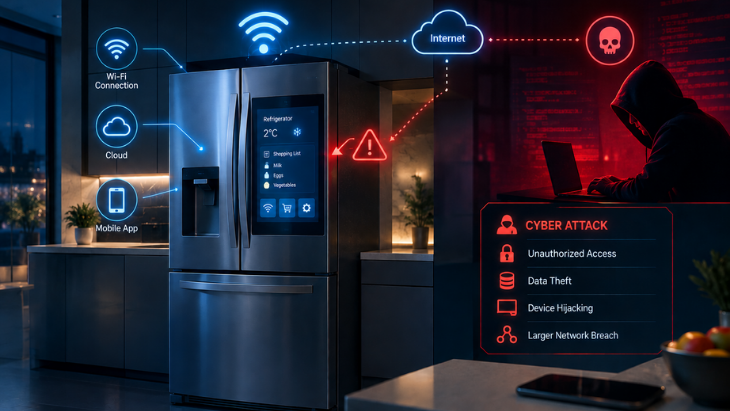
When Hackers Control the Freezers: What the Supermarket Cyberattack Teaches Us About Securing OT Access
A refrigeration controller can become a business-critical attack surface. The recent attacks on supermarket cooling systems show why securing privileged access to operational technology matters just as much as securing traditional IT infrastructure.
87% of Retailers Faced a Cyber Incident. Why Privileged Access Matters More Than Ever
As retail gets more digital, that access turns into a serious security problem. A recent global study from Kaspersky's Internal Research Center shows how big it is: 87% of retail organizations faced at least one cyber incident in the past 12 months. The damage was real. Of the retailers surveyed, 28% reported customer data theft, 25% saw financial losses, and another 25% dealt with business or operational disruption. Nearly one in five lost data they could not recover. These figures show how quickly a security breach becomes a business issue once an intruder reaches critical systems and data. That is where Privileged Access Management (PAM) becomes relevant.