87% of Retailers Faced a Cyber Incident. Why Privileged Access Matters More Than Ever
As retail gets more digital, that access turns into a serious security problem. A recent global study from Kaspersky's Internal Research Center shows how big it is: 87% of retail organizations faced at least one cyber incident in the past 12 months. The damage was real. Of the retailers surveyed, 28% reported customer data theft, 25% saw financial losses, and another 25% dealt with business or operational disruption. Nearly one in five lost data they could not recover. These figures show how quickly a security breach becomes a business issue once an intruder reaches critical systems and data. That is where Privileged Access Management (PAM) becomes relevant.
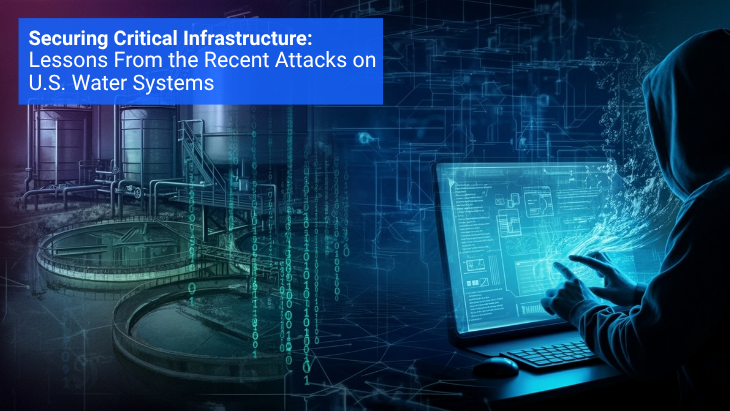
Securing Critical Infrastructure: Lessons from the Recent Attacks on U.S. Water Systems
a series of cyberattacks targeting U.S. water and wastewater systems exposed the growing risks facing critical infrastructure. The incidents highlight how exposed PLCs, compromised privileged accounts, and weak remote access controls can disrupt essential operations—making robust privileged access security a critical priority for OT environments. Discover the full story, key risks, and security implications in our latest blog. Read the full article to learn more.

Designing a Compliant Privileged Access Model for MSPs and MSSPs
Before getting lost in tooling decisions, regulators and auditors are usually looking for something more basic: a defined operating model for privileged access. Technology supports compliance — it doesn't substitute for structure. If your model isn't defensible on paper, no platform fixes that. At minimum, your organization should be able to answer a set of direct questions. Who has privileged access? To which customer environments, systems, and roles? Why do they need it, and for how long? What approval process governs it? And what audit trail exists? If those answers are vague, that's where your exposure starts.

The Future of Privileged Access Management: Giving AI Secure Access to Privileged Intelligence
Privileged Access Management (PAM) has evolved far beyond managing human administrators. Today’s enterprises operate in complex, identity-rich environments where non-human identities—such as applications, APIs, and AI-driven systems—generate vast amounts of security data. While this data holds critical insights, the real challenge lies in making it accessible, actionable, and easy to interpret without navigating fragmented systems and interfaces. Discover how organizations can transform PAM data into instant, intelligent insights and adapt to the expectations of the AI era read the full blog now.