Cybersecurity Awareness Month 2026: What Recent Cyber Incidents Teach Us About Privileged Access Security
October is Cybersecurity Awareness Month, a timely reminder that security is not just about deploying new tools or responding to alerts. It is about understanding how attackers get in, what they can access once they are inside, and how quickly an organization can detect and contain suspicious activity. Recent incidents involving ASOS, the Arizona court system, South Korean banks, and a system managed for the FBI highlight several different weaknesses. Some involve social engineering, others exploit human mistakes or unpatched software, while newer attacks show how artificial intelligence can help attackers work at greater speed and scale. Despite their differences, these incidents share an important lesson: protecting the initial point of entry is only part of the job. Organizations also need to control what happens after an identity or system has been compromised.
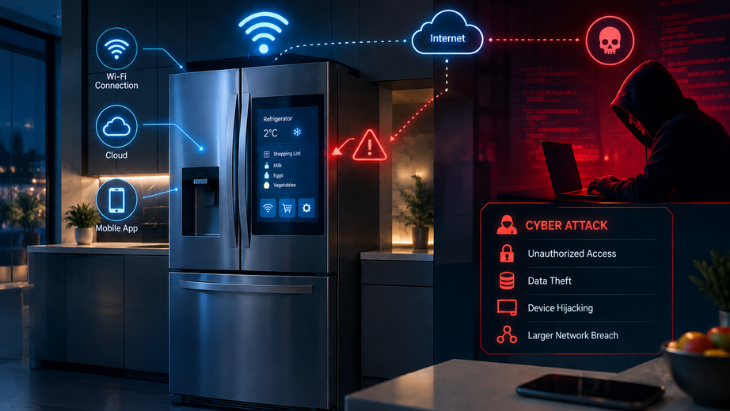
When Hackers Control the Freezers: What the Supermarket Cyberattack Teaches Us About Securing OT Access
A refrigeration controller can become a business-critical attack surface. The recent attacks on supermarket cooling systems show why securing privileged access to operational technology matters just as much as securing traditional IT infrastructure.
87% of Retailers Faced a Cyber Incident. Why Privileged Access Matters More Than Ever
As retail gets more digital, that access turns into a serious security problem. A recent global study from Kaspersky's Internal Research Center shows how big it is: 87% of retail organizations faced at least one cyber incident in the past 12 months. The damage was real. Of the retailers surveyed, 28% reported customer data theft, 25% saw financial losses, and another 25% dealt with business or operational disruption. Nearly one in five lost data they could not recover. These figures show how quickly a security breach becomes a business issue once an intruder reaches critical systems and data. That is where Privileged Access Management (PAM) becomes relevant.
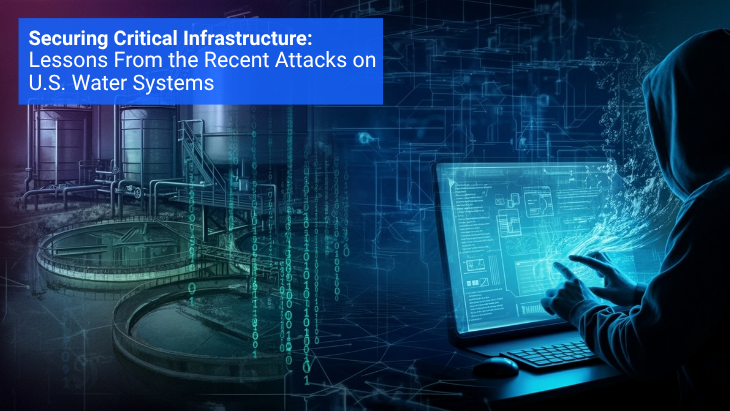
Securing Critical Infrastructure: Lessons from the Recent Attacks on U.S. Water Systems
a series of cyberattacks targeting U.S. water and wastewater systems exposed the growing risks facing critical infrastructure. The incidents highlight how exposed PLCs, compromised privileged accounts, and weak remote access controls can disrupt essential operations—making robust privileged access security a critical priority for OT environments. Discover the full story, key risks, and security implications in our latest blog. Read the full article to learn more.

Designing a Compliant Privileged Access Model for MSPs and MSSPs
Before getting lost in tooling decisions, regulators and auditors are usually looking for something more basic: a defined operating model for privileged access. Technology supports compliance — it doesn't substitute for structure. If your model isn't defensible on paper, no platform fixes that. At minimum, your organization should be able to answer a set of direct questions. Who has privileged access? To which customer environments, systems, and roles? Why do they need it, and for how long? What approval process governs it? And what audit trail exists? If those answers are vague, that's where your exposure starts.